Medical professionals should be up-to date with HIPAA regulations for compliance. The laws were put in for the purpose of protecting health information. Thus, all medical professionals must be acquainted with and comprehend these laws. Maintaining compliance with HIPAA regulations can be a challenge, especially in an ever-evolving technological age. There are numerous resources to ensure your practice is compliant and secure. Your knowledge can help you ensure the security of confidential information. These regulations are necessary to protect sensitive information from potential security breaches and the loss in trust of patients within your practice. Implementing the steps necessary to the proper implementation of HIPAA compliance measures demonstrates that you take privacy of your patients very seriously. It is the foundation to establishing a profitable medical practice.
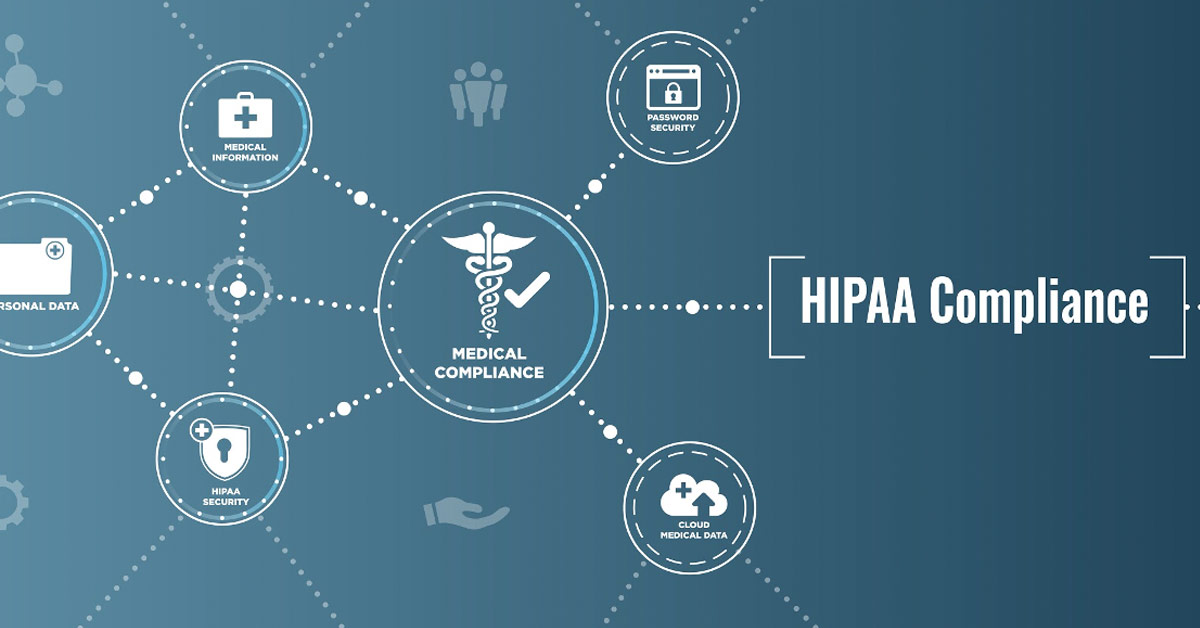
HIPAA compliance is essential for all who work with patient information that is sensitive. HIPAA regulations require all organizations who deal with Protected Health Information to be informed of and adhere to the policies of HIPAA. Infractions to HIPAA regulations could lead to severe penalties or even compromise the confidentiality of the patient’s information. If a breach were to occur, it is important to be aware of the proper steps necessary to respond promptly. With the increasing number of cyber attacks and data breaches it’s essential to comprehend HIPAA requirements and recognize non-compliance. Healthcare organizations can stay clear of penalty and costs by having a thorough knowledge of HIPAA compliance.
HIPAA compliance provides employees with security by guaranteeing that sensitive medical information is handled in accordance with the highest standards of patient privacy. Employers can establish an HIPAA compliance plan that covers all aspects of employee data security. This gives employees assurance that their private data will not be misused or exposed in an unneeded way. This increases trust between employer and employee , giving them both the feeling that they have a shared responsibility for protecting their privacy and protecting their interests. HIPAA compliance allows businesses to create safe, secure workplaces so employees feel confident their medical records are private from unauthorised users.
HIPAA compliance plays a vital role in all healthcare systems. It is essential to be aware of when to declare an HIPAA violation. It is vital to comprehend the requirements of the law. Healthcare providers must protect patient privacy and confidential information. Any entity or person who has access to PHI is responsible for promptly notifying any breach that is suspected of patient information. There are civil and criminal penalties for inattention to a violation. If they believe that their rights or PHI are violated, they can complain to the Department of Health and Human Services Office for Civil Rights. It is important to inform employees of HIPAA compliance and offer in-depth training on HIPAA guidelines. This will decrease the incidence of noncompliance.
HIPAA regulations are beneficial for employees in a variety of ways. It not only protects their personal information, but can also give them confidence that their employer is taking the necessary steps to protect their health. HIPAA compliance facilitates communication between employees, employers as well as their healthcare providers. Employees can be confident that they’re communicating with the right people in a secure environment. Keeping both employers’ and the personal information of employees secure allows for better confidence between the two which leads to greater job satisfaction and higher employee retention rates. HIPAA compliance is a signal to employees that your business is committed to its employees. It also aids in helping you create a successful and collaborative workplace.
For more information, click subtitles of hitech