In today’s hectic connected workplaces, the performance and efficiency of teams is a key factor in determining satisfaction of employees and achievement. A well-functioning, cohesive team can yield remarkable results, foster positive workplace culture and drive individual and collective development. In recognition of the importance of teamwork, both organizations and individuals are using tools such as TeamDynamics, which offer insights into team dynamics as well as the effectiveness of personality tests to facilitate intentional and rewarding collaboration.
Team dynamics is the essence of teamwork:
Team dynamics refers to the relationships, interactions, and the behaviors that determine the functioning of a group. When teams work together effectively they can do more than individuals can. The team’s dynamics affect its ability to communicate, make decisions and settle conflicts. The dynamic of a group can also affect the morale and motivation of its members, as well as their performance.
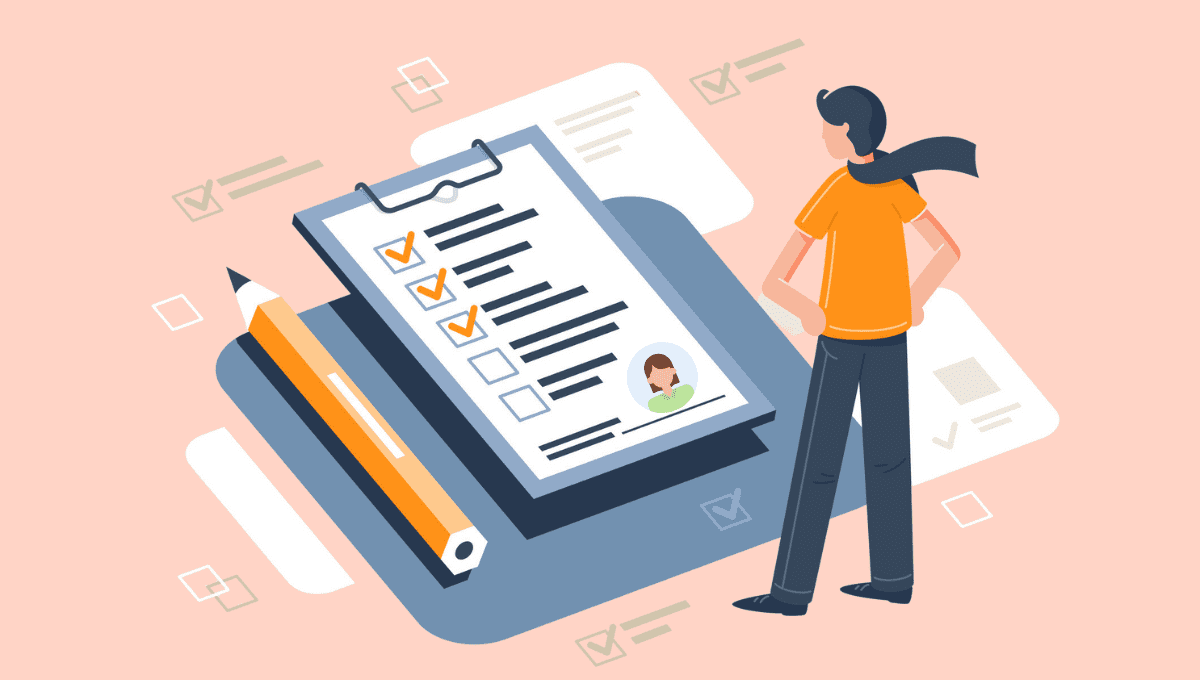
Teamdynamics – A tool to enhance teamwork
TeamDynamics is a program designed for individuals and teams who are convinced of the transformative power of intentional teamwork. It is more than just creating teams. It explores the personalities and dynamics of the team as a collective. TeamDynamics gives valuable insights into team members’ communication styles and strengths. It assists teams and leaders to maximize the effectiveness of the team.
Teams can benefit from personality tests.
Team personality test for works are an essential component of TeamDynamics. These tests can provide a deeper understanding of each team member’s individual characteristics, preferences and behavior patterns. In identifying distinctive traits in every team member they are able to take advantage of their diversity and make the most of it. They can maximize communication as well as collaboration and roles by leveraging these unique traits.
Form a strong, cohesive team:
Personality tests and group dynamics for teams are designed to help form high-performing and well-integrated teams. Knowing the personalities of the group allows managers to alter their leadership style and communication strategies in line with. Team members who are more introverted might require different types of recognition or feedback than their more outgoing counterparts. By acknowledging and accommodating the different needs of team members, leaders of teams can create a welcoming and comfortable environment in which each member can thrive.
Conflict resolution and communication:
Conflicts within teams are inevitable however the way they are handled could affect the team’s effectiveness and performance. Personality assessments can help pinpoint issues that could cause conflict and give suggestions on how to resolve the issues. Understanding communication preferences and styles will help team members participate in a more open, respectful and productive communication. This leads to an easier resolution of conflicts and stronger team relationships.
Inspiring creativity and innovation in the team:
Diverse teams with diverse personalities are more inventive and innovative. The diverse perspectives and strengths brought by different personalities can provide unique solutions and ideas. Leaders of teams can take advantage of personality tests to form cohesive, well-rounded teams that maximize individual strengths.
Improving employee satisfaction and engagement:
A team that appreciates every member’s unique contribution and recognizes the strengths of each individual is more likely to encourage higher employee engagement and satisfaction. Employees are more involved in the team’s success when they feel valued, appreciated and appreciated. Personality tests and TeamDynamics help to create an uplifting and positive team culture, leading to increased job satisfaction and reduced turnover.
Evaluation of team performance:
Regularly evaluating team dynamics and tracking progress will assist in identifying areas that need improvement as well as celebrate team successes. Leaders can make use of the information from personality tests to clarify roles, enhance collaboration, or adjust team strategies. By monitoring the team’s dynamics continuously teams are able to adapt to changes in the workforce, the industry, or the goals of the organization and remain flexible and resilient even in the face of stress.
It’s hard to overstate the importance of a cohesive and high-performing team in the constantly evolving workplace. Personal tests and team dynamics are effective tools to unlock the secrets to successful teamwork. Learning to accept and embrace the different individuals in a group will help companies improve collaboration, develop innovative ideas, and create a work atmosphere where employees feel valued and engaged. TeamDynamics is a growing trend that continues to grow, is poised be an important asset for individuals and organizations committed to intentional and rewarding collaboration. Assessments of personality and team dynamics can help you build a strong teamwork.