A majority of people do not think about cooking oils, but it is a common ingredient that they frequently use. You can grab the bottle that is nearest and believe that it will do everything. Oils react differently based on temperature, flavour and composition of fats. Understanding these differences is one of the best ways to cook for better results at home.
It is important not to base your choice on current trends or news headlines when selecting olive oil, avocado oil, or coconut oil. It must be based on how each oil performs in actual cooking conditions.
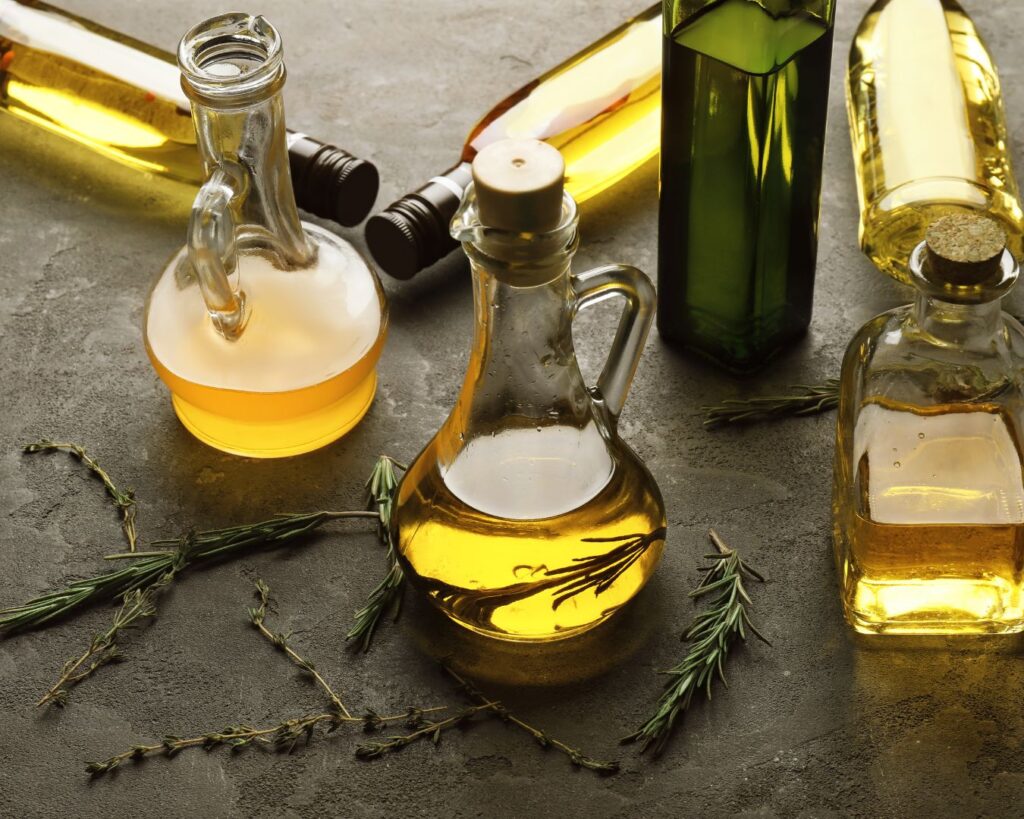
The importance of choosing the right oil Than You Think
Cooking oil is a cooking oil that serves three main functions. It first transfers heat to food items. In addition, it imparts taste, but not notably or subduedly. Thirdly, it can affect nutrition depending on its nature and ability to withstand high temperatures.
If an oil is heated to a high temperature the oil doesn’t simply smoke it starts to break down. This can reduce the nutritional value and may cause unpleasant odours. Using the wrong oil for the wrong purpose can lead to food that smells flat and bitter or even greasy even though the recipe is tasty.
Olive Oil for Cooking: Best Used With Care
Olive oil is an extensively used and well-researched cooking oil. It is made by pressing olives. It’s got monounsaturated fatty acids, as well as antioxidants, such as polyphenols and Vitamin E.
Extra virgin olive oils possess an aroma that is peppery and fruity. The flavour of olive oil is ideal for dressings, marinades and roasting vegetables. In these situations the flavor enhances the food rather than getting out of place.
Extra virgin olive oil does not possess the same smoke point that many people think. In cooking that requires higher temperatures, refined olive oils are superior. It has a milder flavour and is more resistant to heat that makes it suitable to cook in baking, frying and roasting at higher temperatures.
When properly used, olive oil has both nutritional and flavour benefits. However, it’s optimal when the heat is kept under control.
Coconut Oil The Coconut Oil is stable, but it is specific.
Coconut oil behaves quite differently as olive oil does. Coconut oil is very stable because it contains a lot of saturated fat. This stability is the main reason people choose coconut oil for cooking.
Coconut oils that have been refined have mild flavors and are great for baking, frying, and other situations where heat stability is a priority. Unrefined coconut oil has an intense coconut aroma and flavor. That flavour can be beneficial in certain dishes, such as curries, stir-fries or desserts, but it could clash with savoury meals if used without thought.
Coconut oil should not be utilized as a primary ingredient in a day-to-day basis. It is more beneficial to only use it for occasional. Coconut oil is extremely effective at high temperatures, but it isn’t as antioxidant-rich of avocado and olive oils.
Avocado oil: heat-friendly and neutral
Avocado oil has gained popularity due to the way it withstands heat. Avocado oil has the highest smoke point of all oils that are commonly employed for cooking. It is ideal to roast or sear food, grilling and frying.
Avocado oil is more rich in monounsaturated fats and vitamin E than coconut oil. This means it is healthier. Its mild, neutral taste makes it an ideal option if you wish to ensure that the oil doesn’t alter the taste of your food.
Avocado oil is typically the safest choice when cooking in high temperatures but making sure to choose a healthy fat.
How to Use Oils Effectively
There is no one oil that is ideal for all tasks. The best approach is to have multiple options in mind and to make use of each one with care.
Avocado oil is best to cook at high temperatures. Avocado oil is ideal for high-heat cooking. Coconut oil has a place where heat stability and its distinct flavour is desired.
If you can recognize these differences, you’ll be able to cook more consistently and without guesswork.
The higher the quality of the basic ingredients The Better the Basics, the better the Cooking
It’s not necessary to employ expensive ingredients or complicated cooking techniques in order to cook effectively. Small, informed decisions made frequently are the most important.
The art of knowing the right time to use olive oil, coconut oil, and avocado oil in cooking is among the easiest ways to enhance flavor, texture, and confidence in the kitchen. If you are aware of how oils behave, cooking is easy and much more enjoyable.