The field of emergency medical care (EMS) is an important and noble profession that gives you a fulfilling career path that focuses on making a difference in lives and providing crucial health care. If you’re considering being an Emergency Medical Technician (EMT), or even moving up to the esteemed role of a Paramedic, then you’ll be stepping into a career with high growth prospects and a need for highly trained professionals. This article will take you through each step needed to be an EMT or paramedic. We’ll also explore the different options for training that are available, including the DSHS-approved EMS course.
Understanding the importance of EMTs and Paramedics
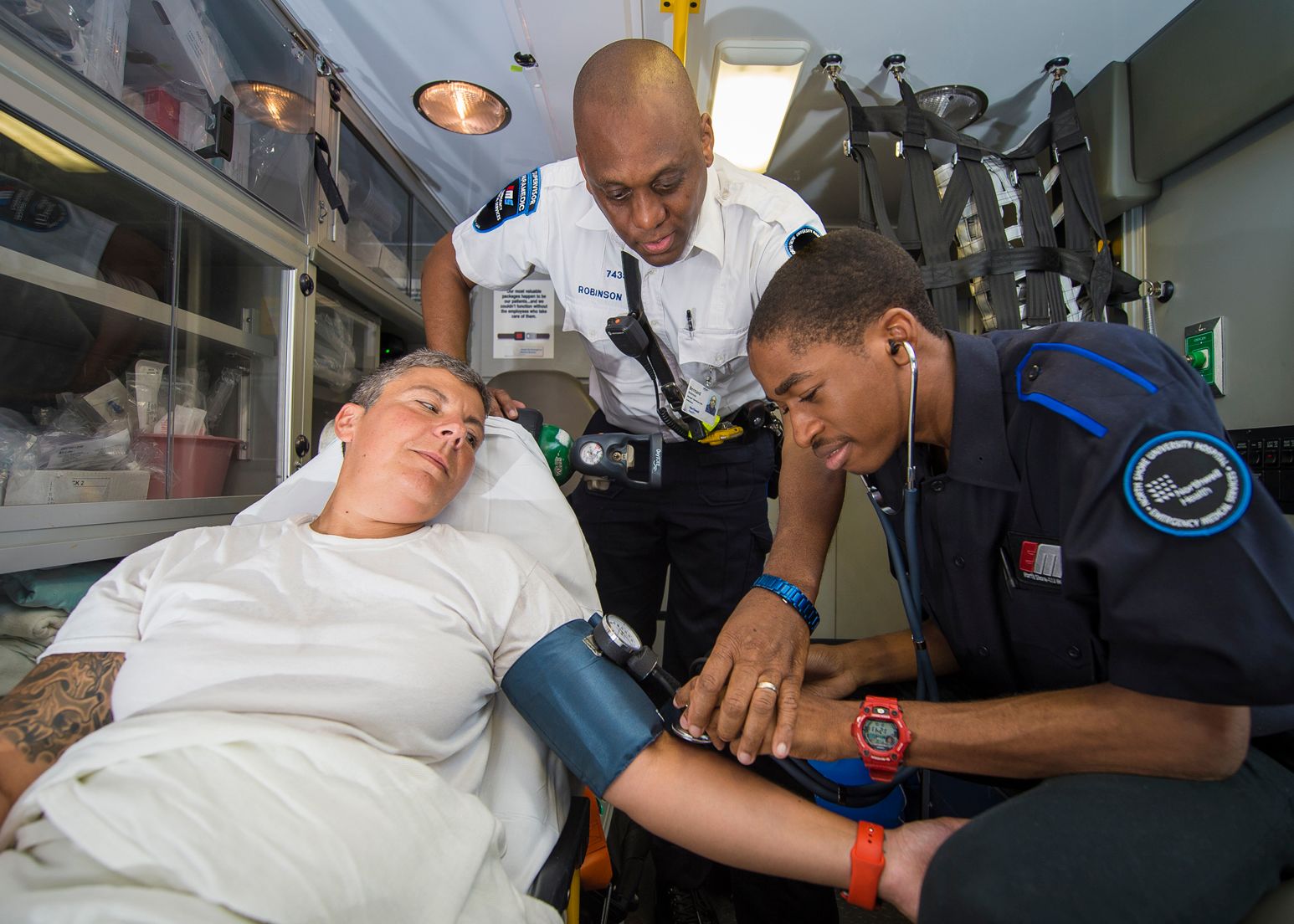
First responders Emergency Medical Technicians and Paramedics provide immediate medical care in an emergency situation. They are trained in assessing patients, delivering essential medical treatments and transferring patients safely to medical facilities for further treatment. Paramedics and EMTs are vital in stabilizing patients in critical situations, deciding in split-seconds and offering compassionate care during times of distress.
Step 1: Becoming an EMT:
You must complete the required educational and training program and the requirements may differ depending on what certification level you’re trying to reach. There are three levels of EMT certification:
1. EMT-Basic: This is a certification for entry-level professionals and is based on 100-150 training hours. EMTs are educated in basic medical treatment, including CPR blood pressure control, and the basics of managing airways.
2. EMT Intermediate (EMT I): EMT I requires further training, and this can differ by the state. It is possible to combine this level with EMT B in some places, but it may also require between 200 and 400 hours of training. It may also require in-hospital treatment as well as expanded medical skills.
3. EMT-Paramedic: This is the most advanced level of EMT certification. It requires intense training, which lasts from 1,000 to 1,800 hours. Paramedics are trained in the latest medical procedures, including managing medications or interpreting EKGs. They also have expertise in advanced airway management.
Step 2: Applying for paramedic certification
If you’re looking to become a paramedic, you have to first pass the EMT-B or EMT-I level and obtain some hands-on training. You then can apply for the paramedic program which takes between one and two years. Through the rigorous training, you’ll learn about the latest medical issues. Additionally, you will acquire the skills and knowledge required to deal with critical circumstances.
Step 3: Looking into EMT Optional Training:
You can select from a variety of EMT classes, based upon the level of your certification. Community colleges and medical trade schools generally offer EMT training for all levels of certification. These programs combine of classroom instruction, hands-on training as well as practical encounters in field and clinic settings.
Colleges and universities offer EMT programs at the EMT/Paramedic Level in the event that you’re looking for an extensive, in-depth EMT course that will lead to the degree of a college. These programs provide you with more knowledge of emergency services, and a greater understanding of medical decisions.
Step 4: Step 4: Ensure DSHS approved EMS training:
If you’re aspiring to become an EMT or paramedic, it’s crucial that the course chosen by you be approved by DSHS. The Department of State Health Services (DSHS) recognizes EMS training courses to ensure that they are in line with the highest standards of training and competence. By enrolling in a DSHS approved EMS training course, you can rest assured that you are receiving top-notch instruction and meeting the necessary requirements for certification.
A career in the field of EMT or paramedic could be highly rewarding and respected. As first emergency responders, EMTs and paramedics play an essential role in saving lives as well as providing prompt medical treatment in emergency situations. In order for those who want to become EMTs or paramedics who want to start this life-saving endeavor they must finish all the necessary training and education programs. They can pick from a range of EMT programs, based on the certification level they wish to obtain. These include community colleges, medical schools, and university courses.
While you are considering alternatives to training, it’s crucial to confirm that the selected EMS training course is DSHS approved. This way you can ensure that you’re getting a top-quality education that is up to the standards to obtain EMT and paramedic certification.
As the demand for trained emergency medical professionals grows, EMS provides a wealth of career opportunities as well the chance to impact the lives of other. It is possible to start as an EMT or move up to paramedic status. Your commitment to providing critical medical care is rewarded with an enjoyable job.