In today’s fast-paced business environment efficient communication is the backbone of a successful business. In order to ensure efficiency and engagement, it is crucial that employees communicate effectively regardless of whether they work online, in person, or using a hybrid system. This is where business communication software plays an essential role. The investment in internal communication software will help to reduce confusion at work and foster an environment that is based on openness, collaboration, inclusion and collaboration.
If your company is using old email systems, unconnected chat apps, or disjointed channels for communication, it’s time to look at modern internal communication platforms. They can assist you to improve communication and connect your employees.
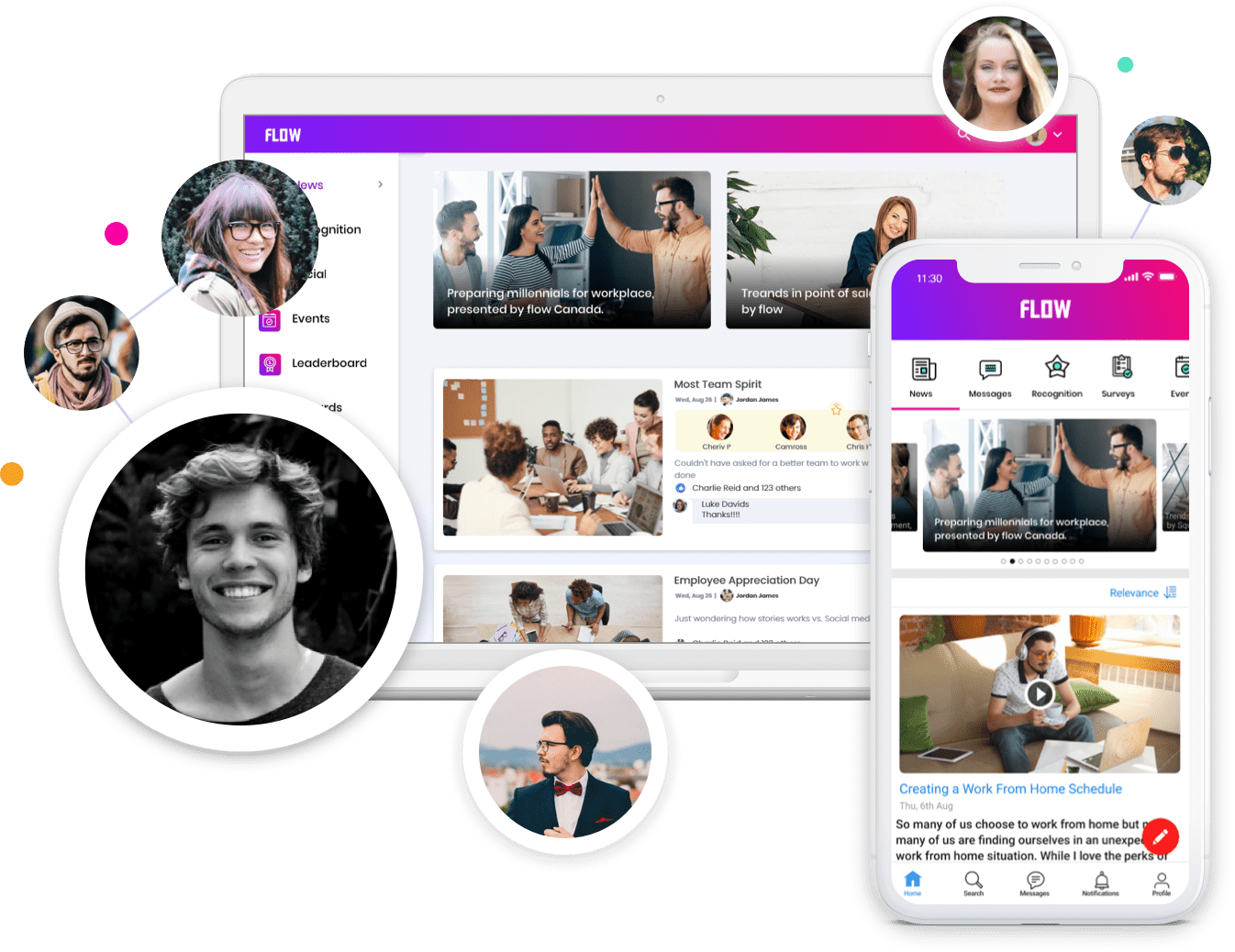
Image credit: hubengage.com
Business owners need to have advanced internal tools for communication
Bulletin boards and emails are not the only ways to communicate with employees. Today, businesses are operating in a world of instant messaging, real-time collaboration and online workplaces. When using the wrong tools for internal communications, businesses risk miscommunications, disengagement and lower effectiveness.
1. Improved Engagement of Employees
In the modern workplace, there are a lot of challenges, which include engaging and motivating employees. An organized internal communications program ensures that all employees, regardless of location feel a sense of belonging and heard. Features like:
Real-time announcements.
Interactive feedback polls
Employee Recognition Programs
Communication platforms that are mobile-friendly
Help businesses create a sense of identity among employees, which leads to greater work satisfaction and higher productivity.
2. Reduce confusion at work and improve the clarity of work
When employees don’t receive clear communication, misunderstandings happen. This results in late deadlines to work, anger, and duplication of effort. Business communication software:
Centralized information exchange – Employees are able to access documents, updates, and resources from a single unified area.
Task and project tracking tools Everybody knows their job and what expectations are placed on them.
Clearer workflows: Reduces the bottlenecks and ensures that projects are efficiently moved.
When companies implement organized platforms for internal communication and internal communication, they notice that employees are more productive and confident.
3. Strengthening Company Culture & Transparency
Trust and open communication are key to an effective and healthy culture in the workplace. When employees feel they are regularly informed about corporate goals, changes and changes They are more likely engaged and aligned with the mission of the business.
Modern software for internal communication come with features like:
Video messages for leadership Direct communication between the executives and employees.
Town halls, Q&A meetings for employees – promoting two-way communication.
Employee recognition and appreciation programs Recognition of hard-working employees.
Through encouraging open and honest communications, businesses can lower the amount of turnover and build a loyal workforce.
4. Supporting Remote & Hybrid Work Models
The old ways of communicating are no longer effective since companies are increasingly adopting hybrid and remote work setups. Teams need instant access to conversations or meetings, as well as files, no matter where they work from.
Cloud-based communications software permits:
The collaboration between time zones is seamless.
Quick document sharing and real-time co-editing.
Virtual meetings are possible using video conferencing.
Apps to communicate via mobile devices.
Businesses that use internal communication tools that are designed specifically for remote employees experience higher productivity and greater collaboration than those that still rely on old-fashioned methods of communication.
5. Improved Crisis Management & Business Continuity
Emergencies can occur anytime, whether it’s a cybersecurity threat or disruption in the market, or even a restructuring. Utilizing a reliable communication program for business guarantees that your employees will receive updates in real time including safety guidelines, as well as instructions during a crises.
Modern tools for internal communication offer:
You will receive instant notifications via push when important alerts are issued
Automated messaging workflows that guide employees through crisis situations
Centralized knowledge bases that include emergency protocols
A well-organized business can minimize disruptions, increase the efficiency of employees and keep them informed in the event of an unexpected event.
The Future of Internal Communication Software
As technology evolves, also do expectations regarding business communication software. AI-powered systems for internal communication give companies an advantage by automating repetitive tasks and analyzing employee engagement.
The latest trends in fashion include
AI chatbots provide instantaneous assistance to employees.
The analysis of workplace sentiments to gauge morale.
Dashboards that are interactive and provide real-time communication analytics.
Businesses can improve efficiency and teamwork by implementing intelligent software that is intuitive and smart.
Last Thoughts on Choosing the Right Internal Communication Platform
If your company is still struggling with miscommunication, disengaged employees, or disconnected workflows, it may be time to upgrade your internal communication tools. A good business communications program will not only help teams stay connected, it also transforms your workplace into a hub for collaboration with transparency, engagement and collaboration.
Investing in modern internal communications software is not an option anymore. It’s an absolute necessity for businesses who are determined to keep up with the times and retain top talent and build a flourishing working environment.
Looking for the top internal communication tools for your business? Start by looking for solutions which include real-time messages and mobile access. Also, consider centralized sharing of data, engagement with leadership, and leadership involvement.