These blocks are no longer simply a practical element. They have now become the masters of outdoor design. These versatile blocks that seamlessly mix functionality and aesthetics have become indispensable elements of modern landscape design. This article explores the many benefits of retaining walls, and provides insight into how they can transform outdoor environments.
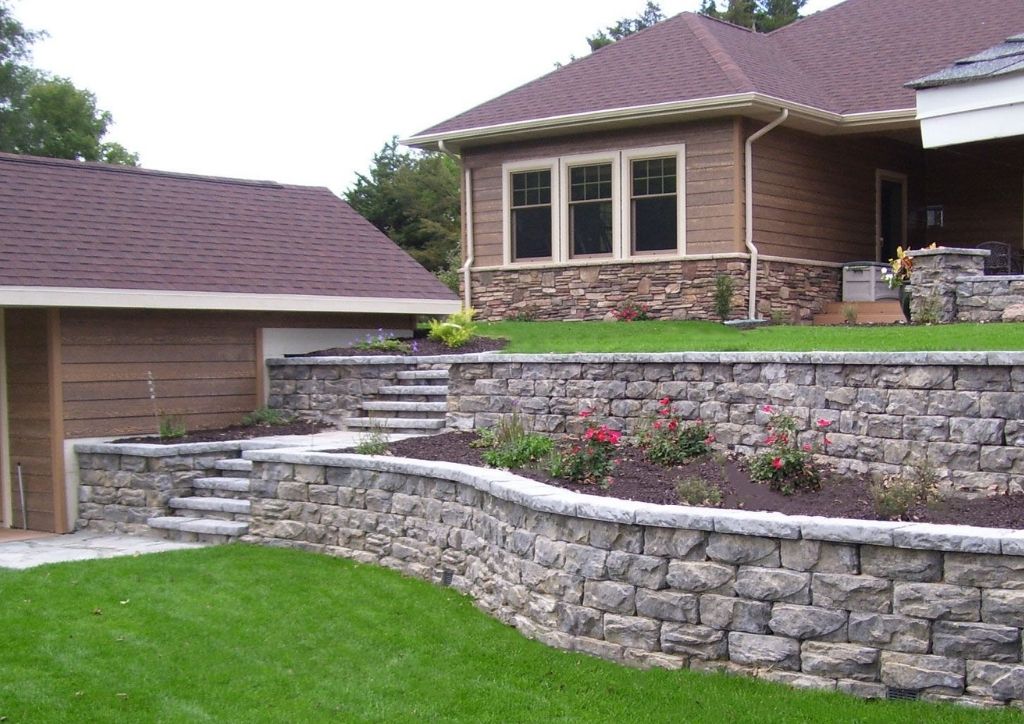
Retaining walls are redefining traditional hardscape elements using the possibility of a wide range of dimensions, shapes, and colors. They offer a canvas for property owners to express their unique aesthetic concepts. Whether crafted from the raw beauty of natural stone or the robust embrace of concrete, these blocks offer a wide range of possibilities for design. Landscape architects and designers use them to create captivating and unified outdoor spaces that reflect the distinctness of the landscape.
Under the Surface Allure, Guardians of Stability
Beyond their visual allure, retaining wall blocks unfold a plethora of functional benefits. They are the guardians of the landscape, retaining wall blocks protect them from erosion. These blocks provide stability in slopes and uneven terrains. They can transform irregular landscapes into level, serene sanctuaries for outdoor living or an enviable garden.
Wall blocks that are retained for the wall are a cost-effective and smart choice for homeowners who wish to improve their landscapes. The easy installation process and low maintenance requirements are what make retaining wall block an economical solution. These blocks do more than contribute to visually striking walls, they can also withstand the elements, ensuring long-lasting security without losing aesthetic appeal.
Versatile Sculptors: Defining Outdoor Living Areas
Retaining walls blocks are no longer only functional wall blocks. They’ve become sculptures that define outdoor living spaces. Through clever integration, property owners can curate separate zones for various activities such as eating al fresco, lounging or even gardening. These blocks are not just useful, but they also function as design components. They can also serve as privacy barriers or emphasize specific features of the landscape, like sculpture gardens, water structures or even water fountains.
Precast concrete landscaping blocks for retaining walls are distinguished by their high-performance stacking capability. They can support three courses of height prior to requiring geo-grid reinforcement to fortify the soil behind them. The larger the configurations, the more stability and toughness are required as walls increase in height. Blocks are made to interlock seamlessly and provide a solid foundation for landscaping. Geo-grid reinforcements provide robustness and toughness to walls that are used for retaining, and allow them to withstand the soil’s pressure.
The Right Block for Your Ambiance
The selection of retaining wall blocks involves a thoughtful curation process, considering factors such as dimensions, shape and color. in harmony with the outside environment. When selecting blocks for retaining walls, practical elements like soil retention capacity and height are considered. This intelligent selection does not only ensure only structural integrity, but also a harmonious visual appearance, enhancing the overall design.
Conclusion: A Symphony of Resilience
In the end, retaining wall blocks can transform the landscape and contribute to resilient and sustainable landscaping practices. These seemingly unassuming blocks, thanks to unlimited design options as well as their ability to stabilize and create living spaces, are silent, peaceful spies, changing the landscape and weaving a story of harmony and permanence throughout the landscape. From economic elegance to functional blocks for retaining strength, they are the artisans who shape nature’s symphony outdoors.