If you have a home or business that’s not connected to a municipal sewer system, it is likely that you have an septic system to manage your wastewater. Although septic systems are efficient and environmentally friendly way to handle the sewage that they produce, they also require regular maintenance and may eventually require replacement. This article will offer the complete information you need to manage the costs of system installation and replacement.
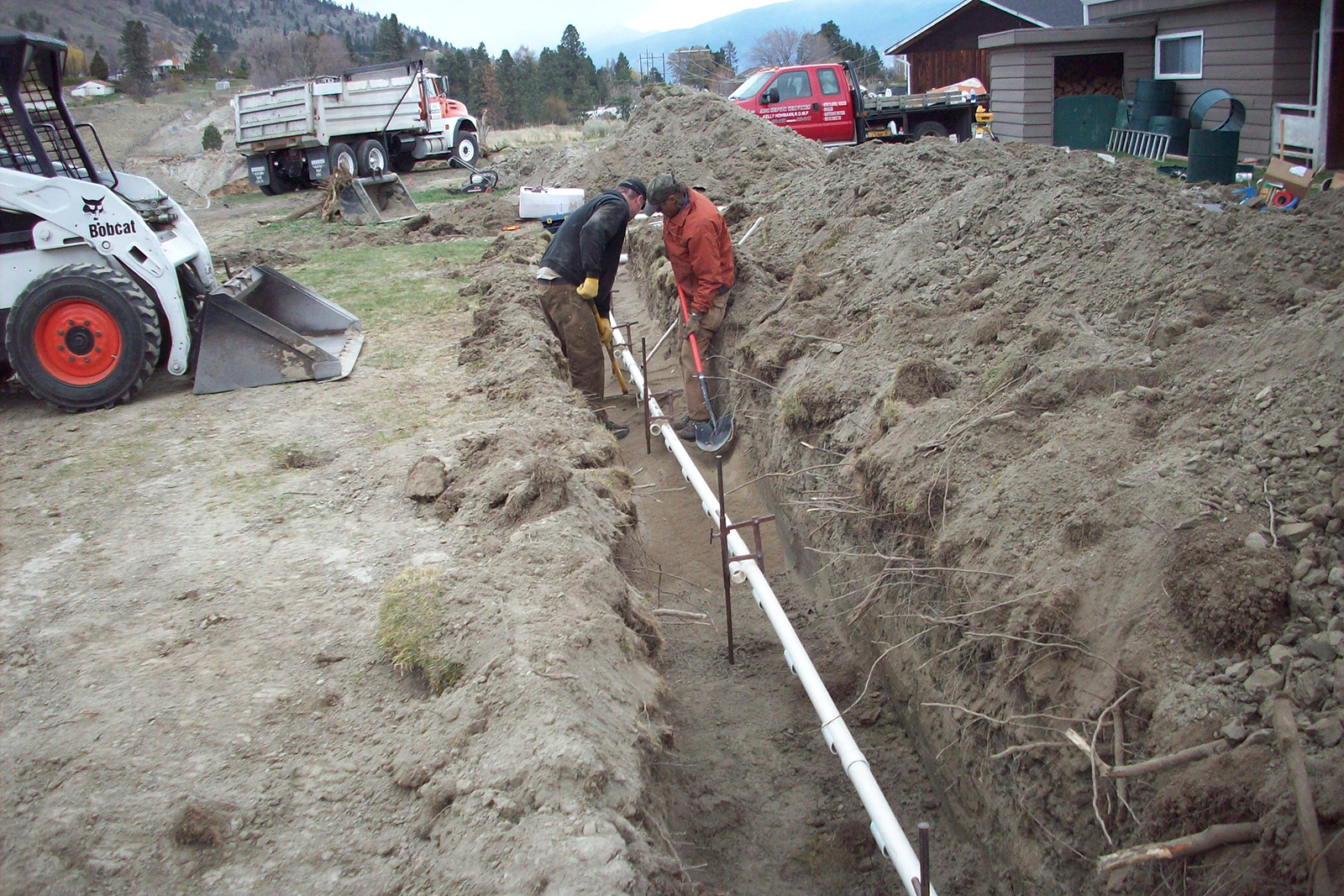
Installation of a Septic System
While a septic tank install can be costly but it is vital to make sure that the wastewater that is discharged from your property is treated effectively and safely. The price of installing a septic system can depend on several elements.
Property size: Larger property will require larger septic systems to manage the increasing amount of wastewater. Therefore, larger properties typically require larger and expensive septic systems.
There are many bedrooms. The size of your septic tank is contingent on the number of bedrooms are in your home or office. New Hampshire requires a minimum of three bedrooms in order to be fitted with a thousand-gallon tank. Each additional bedroom will require 250 Gallons.
Conditions at the site: These aspects together with the soil type, permeability and topography, can influence the price of installation. The more difficult terrain or soil conditions may require additional excavation or special equipment. This may increase the total cost.
Permitting or zoning requirements: The requirements for permitting and/or zoning can change according to state and locale. Additional charges may be imposed for permits and inspections.
The cost of an New Hampshire septic system installation is $5,000 to $10,000 depending on the above factors. It is important to keep in mind that this is only an estimate and that the actual cost may vary according to the specific circumstances of each individual.
Cost of replacing a system of septic tanks
Based on the way they are utilized and maintained, septic systems could last for 20 to 40 years. Septic tanks that are not working properly will require to be replaced. It’s typically cheaper to replace the entire system than it would cost to repair it. The system you have installed may need to be replaced due to slow drains as well as standing water in your yard or backups of sewage.
The cost of a brand new septic system will vary in relation to many variables, such as property size as well as the number of people and conditions. However, a septic system replacement generally costs more than a brand new system because of the necessity to dispose of the old system in a proper manner.
The cost of an New Hampshire septic system repair can range from $10,000 to $25,000 based on the specifics. Again, it is essential to note that this is just an estimate and the final cost can be different based on specific particulars.
Tips to control the cost of your septic system
Regular maintenance Regular inspection and pumping can prolong the life of the septic tank. It can also help prevent expensive repairs.
Choose the right contractor A reputable contractor will ensure your septic system is correctly installed and is code-compliant. This will help you save cash on costly repairs and penalties for non-compliance.
Beware of flushing items that are not biodegradable The flushing of non-biodegradable products, such as sanitary products like wipes, diapers or wipes can cause a blockage in your septic system and cause expensive backups.
Conserve water. This will decrease the work load on your septic tank, and prolong its life.
The most appropriate system is best for your property.
A proper septic tank maintenance program is essential to keep your system healthy and functioning. A well-maintained septic tank can offer many benefits such as avoiding costly repairs, reducing ground water contamination, preventing backups, and odors, in addition to keeping it in good condition for the duration of its. In addition, regular pumping is a great way in boosting the efficiency of the system and helps prevent expensive damage caused by things like clogs or cracks. It is essential to engage in regular inspections as this can identify any likely issues in the early stages. These steps will ensure that your septic system remains safe and is in compliance with environmental standards. All in all, having a documented maintenance plan for your septic tank can help you save time and money in the long run , as in addition to providing assurance that your commercial or residential property will have a functional in the long run.
For more information, click septic replacement cost